

TLDR: Michigan is one of the few states that doesn't legally require an LLC operating agreement, and you never file one with the state. But without it, your business runs on the default rules in the Michigan LLC Act, rules that rarely match how you and your partners actually intend to split profits, make decisions, or handle someone leaving. The document is also part of what keeps a creditor from piercing your liability shield. It's cheap to do right at the start and expensive to be missing when a dispute hits.
You formed your LLC. You filed the Articles of Organization with LARA, paid the $50, got your approval, and opened a bank account. As far as the state is concerned, you’re done.
Except the one document that actually governs how your business runs, and who owns what, is the one Michigan never asked you to file. Most owners skip it because nobody made them do it. That gap stays invisible right up until a partner wants out, a member dies, the bank asks for paperwork, or a creditor comes looking, and then it’s the most expensive thing you didn’t do.
What an Operating Agreement Actually Is
An operating agreement is a written contract among the members (owners) of an LLC that sets the internal rules of the business. It’s separate from your Articles of Organization: the Articles are a short public filing that creates the entity with the state, while the operating agreement is a private document that says how the entity is owned and run.
Think of it this way. Your Articles of Organization tell Michigan that your company exists. Your operating agreement tells everyone involved how it works, who gets what, who decides what, and what happens when things change.
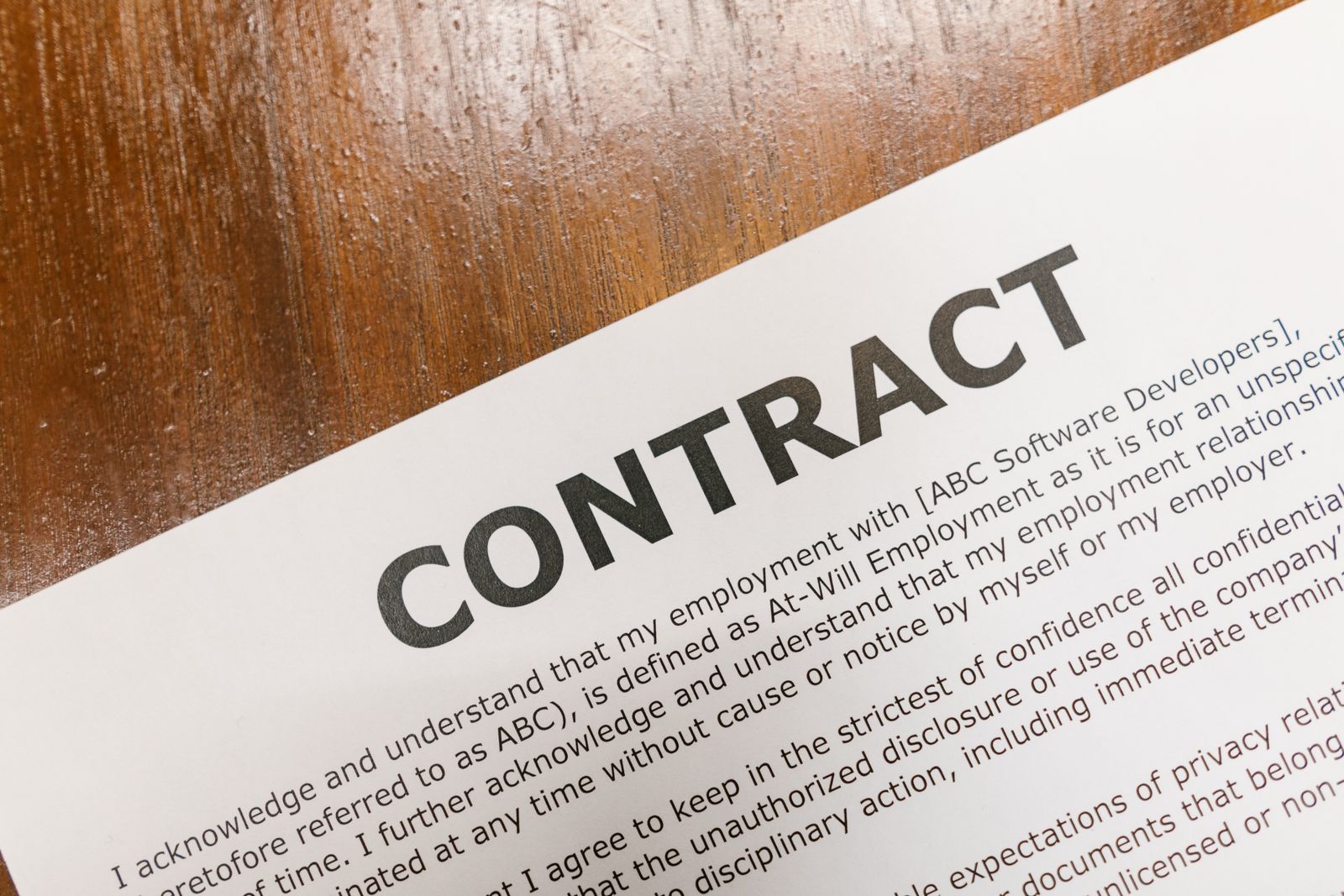
A complete operating agreement typically covers:
- Ownership: who the members are and what percentage each one holds
- Capital contributions: what each member put in, and what happens if more money is needed later
- Profit and loss allocation: how money is distributed, which is not always the same as ownership percentage
- Management structure: whether the LLC is member-managed or manager-managed, and who has authority to sign, spend, and bind the company
- Voting: what decisions need a vote, and what threshold each type of decision requires
- Buy-sell provisions: what happens to a member’s interest when they want out, get divorced, become disabled, or die
- Dispute resolution and deadlock: how disagreements get resolved before they turn into a lawsuit
- Dissolution: how the company winds down and distributes what’s left
Michigan Doesn’t Require One. That’s the Trap.
The Michigan Limited Liability Company Act does not require an LLC to have an operating agreement, and you don’t file one with the state. Michigan is one of a minority of states that lets you operate this way. That sounds like a convenience. In practice, it’s a trap, because “not required” gets read as “not needed,” and the two are very different things.
Here’s what “not needed” actually means: if you don’t write your own rules, the state writes them for you. Every LLC without an operating agreement is governed by the default provisions of the Michigan LLC Act. Those defaults are generic by design. They were never meant to reflect your specific deal, your ownership split, or your understanding with your co-founder. They’re just what applies when nobody said otherwise.
Pro Tip: The best time to write an operating agreement is before there’s any money or conflict on the table, when everyone is still aligned and generous. The worst time is after a dispute has already started, when every clause becomes a negotiation and every member has a lawyer. Write it while you’re still friends.
What the Michigan Default Rules Do to You
When you have no operating agreement, the Act’s defaults fill the gaps. A few examples of where that goes wrong:
| Situation | What you probably intended | What the default can do instead |
|---|---|---|
| A 70/30 partner split where the 30% owner does most of the work | Profits and say weighted toward the working partner | Statutory defaults may not match your intended split, so distributions and control don’t line up with reality |
| One partner wants to leave | A clean buy-out at an agreed valuation method | No buy-sell mechanism exists, so there’s no agreed price, no process, and often a stalemate |
| A member dies or divorces | Their interest passes in a controlled, pre-agreed way | Their share can pass to an heir or ex-spouse who is now your involuntary business partner |
| A 50/50 deadlock on a major decision | A tie-breaker or buyout path written in advance | No exit valve, which is one of the most common paths to a “business divorce” lawsuit |
None of these are exotic. They’re the ordinary lifecycle events of a small business, and the default rules handle every one of them worse than a document you controlled would have. If a fight between LLC owners has already started, our guide to Michigan LLC member disputes covers your rights, the oppression statute, and the deadlines. For partnerships and corporations, see Michigan business partnership disputes.
It’s Also Part of Your Liability Shield
The whole point of an LLC is to separate your personal assets from the business. That separation isn’t automatic and permanent. Creditors can try to “pierce the corporate veil” and reach your personal assets by arguing the LLC was never really a separate entity, just you under a different name.
Courts look favorably on businesses that follow formalities and keep proper documentation. An operating agreement is a foundational piece of that record. This is why the document matters even more for a single-member LLC, where there’s no second owner and the line between you and the company is easiest to blur. Ironically, the solo owners who most often skip the operating agreement are the ones who most need it as evidence that the LLC is real.
Pro Tip: Signing an operating agreement is not enough on its own. Keep the company’s money separate from your own, document major decisions, and file your annual statement with LARA on time. The operating agreement is the anchor, but the veil is protected by the whole pattern of treating the business like a business.
Why “Free Template” Is Where the Trouble Starts
A generic template feels like the smart shortcut. In practice, a free operating agreement is often worse than none, because it looks official while quietly containing the wrong terms.
The parts that matter most, ownership percentages, profit and loss allocation, voting thresholds, and buy-sell terms, are exactly the parts a template can’t get right, because they depend entirely on your specific arrangement. A template that says profits are split by ownership percentage will actively work against the partner who took less equity but does most of the work. A template with no real deadlock provision leaves two 50/50 owners with a courtroom as their only tie-breaker.
The filing was the easy part. The operating agreement is the part that earns its keep, and it’s the part a template is least equipped to handle. At LegalSolv’s business law practice, we draft operating agreements around how the business is actually owned and run, not around a blank fill-in form, and we do it in English and Arabic for owners across Metro Detroit.
When to Write or Revisit One
You should have an operating agreement drafted or reviewed if any of these apply:
- You just formed an LLC, or are about to
- You have one or more co-owners, in any split
- You’re a single-member LLC and want your liability shield to hold up
- A member has joined, left, died, or divorced since the last version
- Your ownership percentages or roles have changed and the document hasn’t
- A bank, lender, investor, or title company has asked to see one
- You’ve never actually read the template you signed at formation
If you formed your LLC without one, this is a gap you can close now, before the event that makes it urgent. And if you’re still at the formation stage, do it in the right order the first time: our guide on how to incorporate a small business in Michigan walks through where the operating agreement fits into the process.
FAQ
Is an operating agreement legally required for a Michigan LLC?
No. The Michigan Limited Liability Company Act does not require an LLC to adopt an operating agreement, and you do not file one with the state. But “not required” is not the same as “not needed.” Without one, your LLC is governed entirely by the default rules in the Act, which rarely match how owners actually intend to run the business, split profits, or handle a member leaving.
What happens to my Michigan LLC if I don’t have an operating agreement?
Your LLC falls back on the default provisions of the Michigan LLC Act. Those defaults generally split profits and voting power in ways members did not choose, provide no buy-out mechanism when someone wants out or dies, and give you no agreed process for resolving a deadlock. Courts also look less favorably on single-member LLCs with no formalities, which can make it easier for a creditor to argue your liability shield should be pierced.
Do I need an operating agreement for a single-member LLC in Michigan?
Yes, and arguably more than a multi-member LLC does. For a solo owner, the operating agreement is a key piece of evidence that the LLC is a real, separate entity rather than an extension of you personally. That separation is what protects your personal assets. Banks, lenders, and title companies also frequently ask to see one before they will open accounts or close a deal.
Does my operating agreement need to be filed with the State of Michigan?
No. Unlike your Articles of Organization, which are filed publicly with LARA, the operating agreement is an internal document. It becomes binding once all members sign it, with no state approval needed. Keep the signed original with your company records and give each member a copy.
Can I use a free operating agreement template for my Michigan LLC?
You can, but a generic template is where most disputes start. Templates use one-size-fits-all defaults for ownership percentages, profit splits, voting, and buy-outs, the exact terms that cause fights when they don’t match what the owners actually agreed to. A template with the wrong buy-sell terms is often worse than no template at all, because it looks official while quietly working against you.
Can we amend an operating agreement after the LLC is formed?
Yes. An operating agreement can be amended at any time, as long as you follow the amendment process the agreement itself sets out (usually a member vote at a defined threshold). If your ownership, membership, or management structure has changed since formation and your agreement hasn’t been updated, it may no longer reflect reality, which defeats its purpose.
Conclusion
Michigan letting you skip the operating agreement is not a favor. It just moves the cost from the start of your business, when the document is cheap and everyone agrees, to the middle of a dispute, when it’s expensive and nobody does. The businesses that treat “not required” as “not needed” are the ones that end up in a partner fight with no rulebook, or a creditor argument with a thin paper trail.
If you have an LLC with no operating agreement, or one you’ve never actually read, that’s worth fixing now rather than after the event that makes it matter. LegalSolv drafts and reviews operating agreements for small business owners across Metro Detroit, in English and Arabic.
Ready to put this into practice? LegalSolv, PLLC was built for exactly this.